
Severe Weather Property Checks Across North Devon
When the forecast turns ugly, the first question is practical: who can get eyes on the property before a small issue becomes a bigger one?
That is the clear promise behind Tarka X SafeHarbour Severe Weather Checks. It is a local property-checking service for North Devon, designed for times when heavy rain, high winds, flooding risk, or storm damage could leave a home, holiday let, rental property, or unoccupied building exposed.
This review looks at what the service appears to offer, who it is best suited to, where it is strongest, and what to clarify before booking. It is not a review of a one-off visit, but of the service model itself: local checks, weather-aware timing, and practical reassurance when conditions take a turn.
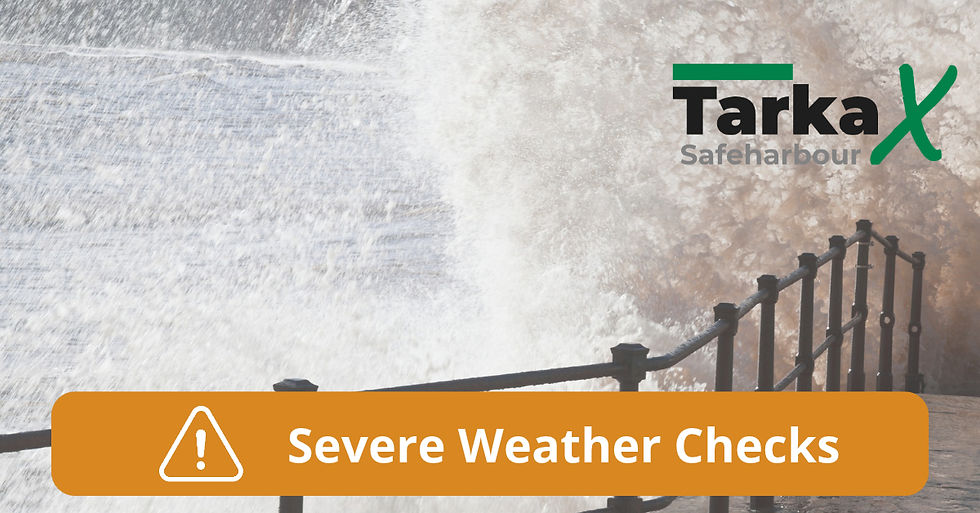
What Tarka X SafeHarbour Severe Weather Checks is
Tarka X SafeHarbour Severe Weather Checks is a property care service aimed at storm-related risk. The core idea is simple: when severe weather is forecast or has just passed, someone local can check the property and look for obvious signs of trouble.
That might include visible storm damage, loose gates, slipped items, water ingress signs, fallen branches, damage to outbuildings, blocked access, or other issues that may not be obvious until someone visits in person.
The service is especially relevant across North Devon, where weather can change quickly and properties often sit in exposed rural, coastal, or semi-rural settings. Wind, rain, salt air, steep lanes, trees, and older buildings can all add to the need for local checks.
It is best understood as a reassurance and early-warning service, not as a repair service, survey, or emergency response. That distinction matters. A severe weather check can help flag problems early, but it does not replace a qualified roofer, builder, tree surgeon, drainage engineer, insurer, or the emergency services where there is immediate danger.
Who the service is best for
This service makes most sense when a property cannot be checked quickly by the owner, manager, friend, or neighbour.
The most obvious fit is for:
Second homes that sit empty for parts of the year
Holiday lets between bookings
Landlords with properties in exposed areas
Rural homes where neighbours are not close by
Owners who live outside North Devon
Families looking after a relative’s vacant property
Outbuildings, workshops, barns, or storage spaces
Lawyers looking after Probate properties
For occupied homes, the value may be lower unless the owner is away during bad weather. For properties that are empty or difficult to reach, the benefit is much clearer.
The service also suits people who prefer a local human check rather than relying only on cameras, sensors, or weather apps. Technology helps, but a camera cannot always show a blocked drain, a damaged side gate, a loose roof tile, or water pooling at the back of a building.
How it performs on the things that matter
A severe weather property check succeeds or fails on a few practical points. It needs to be local, timely, clear, and realistic about what it can do.
Local coverage is the main strength
The strongest part of this offer is the local angle. North Devon is not a place where every property is easy to reach, especially in poor weather. Some homes sit down narrow lanes, on hillsides, near wooded areas, or close to the coast. A service that understands the area has a real advantage.
Local knowledge can help with simple but important judgement calls. For example, a check after a storm may be more useful if the person attending understands which roads are likely to flood, which lanes become blocked by branches, or how exposed certain coastal spots can be.
That does not guarantee access in every weather event. Safety still comes first. But local presence is far more useful than a distant service promising coverage without practical knowledge of the area.
The service is strongest as early detection
A storm check is not only about major damage. Often, the real value lies in catching small problems before they worsen.
Examples include:
A gate banging open in high winds
Rainwater backing up near a doorway
Debris blocking a drain or gully
A broken fence panel leaving a garden exposed
A branch resting against a roof or wall
A window left unlatched before heavy rain
Signs that water may be entering a shed, garage, or porch
None of these issues needs to be dramatic to cost money later. A quick check can give the owner the chance to arrange a repair, contact a tradesperson, or make an insurance-related record sooner rather than later.
For unoccupied properties, that early detection can be especially valuable. Water leaks, wind damage, or broken access points can go unnoticed for days or weeks if no one visits.
Clear reporting matters
A good check is only useful if the report back is clear. The ideal weather check should provide plain details, photos where helpful, and a simple summary of what was found.
The most helpful report would answer questions such as:
Was access possible?
Was there any visible external damage?
Were doors, gates, windows, and obvious entry points secure?
Was there standing water, fallen debris, or blocked access?
Did anything need urgent attention?
Were photos taken to support the update?
The brief does not set out a sample report format, so this is one area to confirm before booking. A short message may be enough for a low-risk property. For an empty holiday let or higher-value building, photos and a clear written update are far more useful.
What makes the service useful during North Devon weather
North Devon weather can be beautiful, but it can also be hard on property. Storm fronts, prolonged rain, coastal winds, saturated ground, and fallen tree limbs all create practical risks.
The phrase Severe Weather Property Checks Across North Devon is a useful description because it captures the real need: not general security only, but weather-triggered property attention in a specific area.
This is where Tarka X SafeHarbour has a clear place. A routine keyholding or security visit may not focus on storm risks. A severe weather check should be more pointed. It should look at the things storms tend to affect first: access, water, wind damage, loose items, and visible signs of impact.
That focus is helpful because it gives the visit a purpose. The checker is not simply walking past the front door. They are looking at the property through the lens of bad weather.

The main strengths
The appeal of Tarka X SafeHarbour Severe Weather Checks comes down to practical reassurance. The service fills a gap between doing nothing and calling out a tradesperson without knowing whether there is a problem.
Strength
Local property checks
Weather-specific focus
Useful for empty properties
Helps with next steps
Reassurance for distant owners
Why it matters
Someone nearby can look at the property when the weather changes.
The visit is aimed at storm-related issues, not just a generic inspection.
Problems are less likely to sit unnoticed for long periods.
Photos or updates can support decisions about repairs, access, or insurance contact.
Owners do not have to rely only on neighbours, cameras, or guesswork.
The service also has emotional value. That should not be dismissed. A storm forecast can be stressful when a property is miles away. Knowing that someone local can attend and report back gives a level of calm that technology alone often does not provide.
The drawbacks and limits to understand
No property-checking service can remove all storm risk. The main weakness here is not the idea of the service, which is sensible, but the need to be clear about scope.
Before booking, it would be wise to ask what is included and what is not.
Key points to clarify include:
Whether checks are carried out before storms, after storms, or both
How soon a visit can usually happen after bad weather
What happens if roads are unsafe or blocked
Whether internal checks are included if keys are held
Whether photos are provided as standard
How urgent issues are escalated
Whether temporary protective action is included, such as closing a gate or moving a loose item
Whether the service can coordinate with tradespeople, or only report the issue
This is not a criticism, it is simply the nature of the service. “Check on the property” can mean different things to different people. A good booking conversation should turn that into a clear agreement.
There is also a safety limit. During severe weather, nobody should be expected to take unnecessary risks. A local checker may need to wait until conditions are safe enough to travel and inspect the property. That is responsible, but it means the service should not be treated as instant emergency cover.
How it compares with alternatives
Tarka X SafeHarbour Severe Weather Checks sits between several common options.
A neighbour may help, but neighbours are not always available, and it can be awkward to ask frequently. A security camera may show one angle, but it cannot inspect drains, side paths, gates, outbuildings, or the back of a property. A tradesperson can fix damage, but usually only once a problem has already been identified. An insurer can advise after an incident, but they will not monitor the property for developing risks.
A local severe weather check has a different role. It gives a practical snapshot of the property during a risk period.
That makes it useful as part of a wider property care plan. For example:
Use weather alerts to decide when a check is needed
Keep gutters, drains, trees, and fences maintained before winter
Make sure keyholders and emergency contacts are up to date
Keep insurer details and policy requirements easy to find
Photograph vulnerable areas before storm season where useful
The service cannot stop severe weather. It can reduce the time between a problem appearing and someone knowing about it.
What the ideal customer experience should look like
A strong version of this service should feel simple from start to finish.
The owner should be able to request or arrange checks around severe weather, confirm access details, explain any known weak points, and receive a clear update after the visit. If there is a concern, the report should say what has been seen and what action may be needed next.
The best results will come when the service has useful property information in advance. For example, the checker should know if a side gate often blows open, a rear drain blocks during heavy rain, or a garage roof has had past issues.
That context makes the visit more effective. It turns a general look around into a focused property check.
Verdict
Tarka X SafeHarbour Severe Weather Checks is a sensible service for North Devon properties that need attention when the forecast turns rough. Its strongest selling point is local presence. For empty homes, holiday lets, rural properties, and owners who are not nearby, that can make a real difference.
The service is best viewed as a practical reassurance check. It can help spot visible problems, provide updates, and prompt quick next steps. It should not be treated as a full survey, emergency repair service, or guarantee against storm damage.
The main thing to do before using it is confirm the detail. Ask what the check includes, how reporting works, how quickly visits can usually happen, and what action is taken if a problem is found.
For the right property, especially one that sits empty during bad weather, this is a useful layer of protection.
To find out more or arrange a check, visit Tarka X SafeHarbour Severe Weather Checks.
Final recommendation
This service is easy to recommend for property owners who cannot quickly check a North Devon address themselves during storms. It is not about panic or overreaction. It is about having someone local who can look, report, and help reduce the uncertainty when heavy weather arrives.
A storm forecast is easier to handle when the next step is already planned.


Comments